

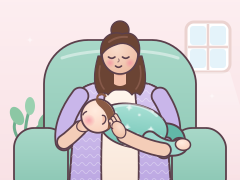


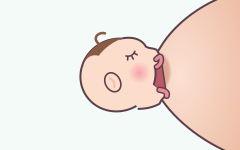
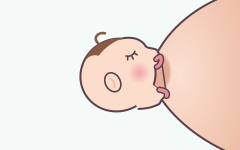
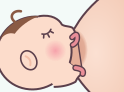
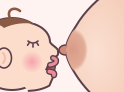
Breastfeeding is natural, but it isn't always easy at first. You and your baby learn it together. In the first weeks, two things make the biggest difference: a comfortable hold and a deep latch. If your baby takes only the nipple into the mouth, it hurts you and your baby can't get enough milk. With a good latch the mouth is wide open, the lips are flanged outward and the chin presses into the breast.
Not every hold fits every situation. The cradle hold is comfortable for babies who have already learned to latch. The cross-cradle hold gives you better control of the head in the first weeks and for babies who struggle to latch. The football hold keeps pressure off a C-section incision and works well for twins. Side-lying helps you rest during night feeds, but it means paying attention to safe sleep rules.
A few signs tell you breastfeeding is going well. You hear quick sucks first, then slow, deep swallows. The cheeks stay rounded and don't dimple in. After day 5, expect 6 or more wet diapers a day. Smacking or clicking sounds, or a flattened nipple after feeding, can be signs of a shallow latch. Checking these signs at each feed helps you catch a problem early.
What you can do
- Four holds: cradle, cross-cradle, football and side-lying.
- Who each hold suits, with a three-step walkthrough.
- Four steps to a good latch, comparing deep and shallow latch.
- Good and warning signs to answer: is breastfeeding going well?
- Start the feeding tracker timer directly with the hold you picked.
How to use it
- Pick the hold you want to try from the cards at the top.
- Read the steps and who the hold works best for.
- Go over the latch steps before you start feeding.
- Start the timer with this hold so the feed is logged automatically.
Frequently asked questions
Is it normal for breastfeeding to hurt?
Brief tenderness at the start of a feed is common in the first days. But if the pain continues after the first minute or your nipples crack, the latch is usually too shallow. If it hurts, don't pull your baby off. Slide your little finger into the corner of the mouth to break the suction and latch again. If the pain doesn't ease, see your midwife or a lactation consultant.
How do I know if my baby is latched on correctly?
With a good latch your baby's mouth is wide open, the lips are flanged outward and the chin presses into the breast. The nipple sits toward the roof of the mouth and the cheeks stay rounded. You hear quick sucks first, then slow, deep swallows. If only the nipple is in the mouth, the lips are tucked in or you hear clicking, the latch is shallow and you should try again.
What is the best breastfeeding position after a C-section?
The football hold is the most often recommended position after a C-section. Your baby lies along your side under your arm, legs pointing behind you, so there is no pressure on the incision. A pillow at your side helps carry your baby's weight. Side-lying is also a good option when you need to rest, but keep pillows and blankets away from your baby in case you fall asleep.
Is it safe to breastfeed lying down?
Side-lying breastfeeding is possible, but a few rules matter. Lay your baby on a flat, firm surface, don't put a pillow under the head and keep blankets away. Don't breastfeed in bed if you've had alcohol, smoke, take sleep medication or are extremely exhausted. Falling asleep on a sofa or armchair is riskier than in bed. When the feed is over, put your baby on their back in their own sleep space.