Nutrition During Pregnancy: A Comprehensive Guide
Nutritional needs by trimester, sample menus, and expert recommendations.
 HeyMom Editorial Team 🍎 Pregnancy 3 min read
Pregnancy is a remarkable period when your body works extraordinarily hard to nourish both you and your baby. Proper nutrition is the most fundamental building block for your baby's healthy development and your energy. According to WHO and ACOG recommendations, calorie needs vary by trimester; following your doctor's suggested increase is best.
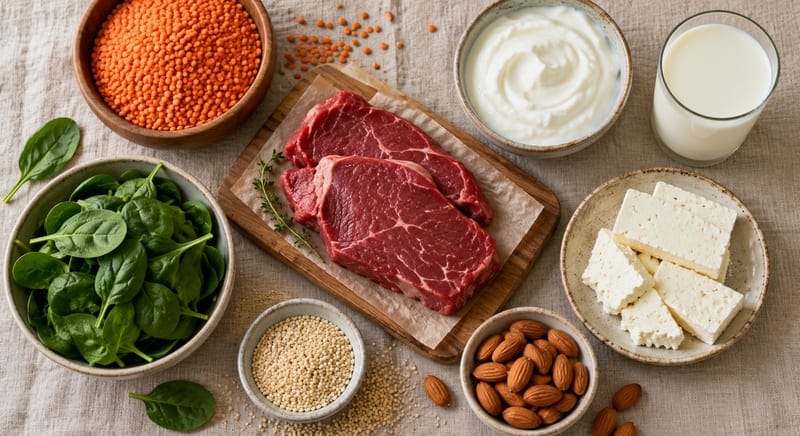
1st Trimester (Weeks 1-12): During this period, your baby's organs are forming. The most critical nutrients are folic acid (spinach, lentils, broccoli), iron (red meat, legumes), and vitamin C (oranges, kiwi). Eating small, frequent meals can be very helpful due to nausea. Talking to your doctor about supplements is a great step. Sample breakfast: Eggs, whole wheat bread, white cheese. Snack: Walnuts + fruit. Lunch: Lentil soup, grilled chicken.
2nd Trimester (Weeks 13-26): Your energy levels rise and appetite increases. Your baby's bone development is accelerating; calcium (milk, yogurt, tahini) and vitamin D (sunlight, salmon) are especially important during this period. Your protein needs also increase. Magnesium (bananas, almonds) may help relieve muscle cramps. Sample lunch: Bean stew, rice pilaf, yogurt. Dinner: Grilled meatballs, roasted vegetables.
3rd Trimester (Weeks 27-40): The baby is growing rapidly; your calcium needs increase. Omega-3 (DHA) is valuable for the final surge of brain development — consuming low-mercury fish (salmon, sardines) or considering fish oil supplements at your doctor's recommended dose is an option. High-fiber foods (vegetables, whole grains) are a good ally against constipation. Eating frequently but in small portions may provide stomach comfort. Sample dinner: Baked sea bass, artichoke in olive oil, salad.
Things to Be Mindful Of: Avoiding raw or undercooked meat and eggs, unpasteurized dairy products, high-mercury fish, excessive caffeine, and alcohol protects both you and your baby. Processed meat products and excessively salty foods are also on this list.
Water Intake: Drinking enough water throughout pregnancy is very important. Dark-colored urine, headaches, and dry mouth may be signals that your body needs water. If you have nausea, water with lemon or ginger is a nice option.
Dear mom, every pregnancy is different and special. This information is a general guide; the best approach is always to decide together with your doctor. Vitamin and mineral supplements should always be taken with your doctor's recommendation. Leaving at least 2 hours between iron and calcium supplements may be beneficial for absorption.
Tools that help with this topic
Free and opens right in your browser. Sign in and your records match the ones on your phone.